

Abstract
Every seasonal celebration, community performance and fantasy role-play session gains vivid vitality through Animal Costume, a creative medium that bridges human imagination and the charm of wild, domestic and mythical creatures. This piece explores multi-dimensional values embedded within creature-themed wear, covering artistic expression, cultural ritual inheritance, interactive social connection and sensory design logic. It dissects how well-crafted creature attire breaks the boundary between audiences and staged storytelling, discusses material selection standards for long-term repeated usage, and analyzes practical layout ideas for group role-play activities without focusing on commercial profit or return metrics. Readers will grasp actionable design ideas for handmade or customized creature outfits, learn inclusive fitting solutions for kids, adults and mobility-limited participants, and recognize the profound emotional resonance brought by creature-themed character dressing in public cultural events.
Table of Contents (Click each item to jump to corresponding section)
- 1. The Emotional Connection Between Creature Themed Attire And Human Imagination
- 2. Core Craft Standards That Elevate Creature Outfit Comfort And Durability
- 3. Inclusive Design Concepts For Multi-Age And Multi-Body-Type Creature Wear
- 4. Cultural And Ritual Meanings Hidden In Creature Character Dressing Traditions
- 5. Step-by-Step Layout Plans For Group Interactive Activities Using Creature Outfits
- 6. Material Selection Guide For Long-Lasting, Skin-Friendly Creature Attire
- 7. Frequently Asked Questions About Custom Creature Character Outfit Creation
- 8. Build Unique Themed Experience With Bespoke Creature Attire Solutions
1. The Emotional Connection Between Creature Themed Attire And Human Imagination
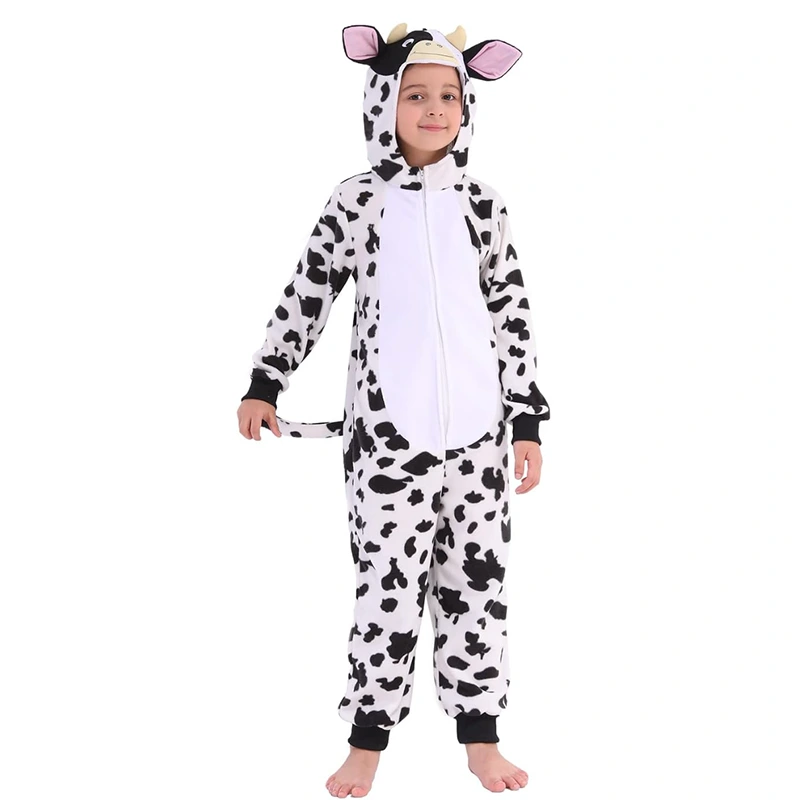
Human beings maintain an innate fascination with animal forms from early childhood development stages. Toddlers point at zoo creatures, draw fuzzy four-legged figures on scrap paper, and mimic animal calls without external guidance, which reveals a natural psychological bond between humans and other species. When people slip into a full set of creature-themed clothing, they temporarily step outside their daily social identity and enter a gentle fantasy space free from routine pressure and social judgment. This psychological shift is the core charm that makes creature wear irreplaceable in performance, festival and educational scenes.
Many public cultural institutions, including community art centers, school drama clubs and regional folk festival committees, prioritize creature character attire for large-scale interactive events because of its universal appeal across generational groups. Young children enjoy oversized soft features like plush ears, fluffy tails and padded paw gloves, while adult participants appreciate subtle, lifelike detailing that balances realism and playfulness. Elderly attendees often engage deeply with retro-style creature outfits that remind them of childhood holiday memories and traditional seasonal customs, creating cross-age shared joy within a single activity space.
Emotional immersion relies heavily on balanced visual and tactile stimulation. Overly rigid, scratchy fabric breaks the fantasy atmosphere instantly, while overly thin, fragile construction limits activity range and reduces participant engagement time. Designers who focus on balanced sensory experience create pieces that let wearers fully commit to role-play without constant physical discomfort disrupting their imaginative flow. This careful balance of soft texture, structural stability and visual authenticity becomes the benchmark standard for high-quality creature character wear used in long-running public cultural programs.
Creative educators frequently integrate creature-themed dressing into natural science courses to reduce students’ sense of distance toward wildlife knowledge. When students wear soft, simplified creature attire during outdoor ecology lessons, they tend to observe forest, grassland and aquatic species with higher concentration and curiosity, asking more detailed questions about animal habits, habitat conditions and interspecies symbiosis. This experiential learning method outperforms static textbook reading by building emotional identification with wildlife before introducing factual ecological information, forming a more long-lasting memory framework for environmental education content.
Community theatrical groups also report improved performance confidence among amateur actors when they wear well-fitted creature attire. Beginners who feel nervous standing on open stages often relax once covered by soft, expressive creature features, as the outfit creates a gentle separation between the performer’s real self and the fictional stage character. This protective psychological buffer encourages bolder body language, clearer vocal delivery and more spontaneous interaction with other cast members, lifting the overall quality of non-professional stage productions without intensive professional acting training requirements.
1.1 How Fantasy Creature Forms Expand The Boundary Of Imaginative Play
Mythical hybrid creature designs blend traits from multiple real-world species to unlock unlimited creative potential for role-play. Outfits combining deer antlers with bird feather accents, aquatic fish tails with mammal fur textures, or woodland fox markings with butterfly wing extensions offer participants unique character identities that cannot be replicated by standard single-species designs. These hybrid forms invite wearers to invent original backstories, behavioral patterns and interactive dialogue for their fictional creature personas, deepening the depth of imaginative engagement during events and performances.
Local cultural storytelling groups leverage hybrid creature silhouettes to retell regional folk legends that center on shape-shifting forest spirits, river guardians and mountain patron beasts. Each custom hybrid piece is tailored to match the visual descriptions preserved in oral folk tales, allowing storytellers to physically embody legendary figures while narrating historical and cultural narratives to live audiences. This tangible visual aid makes abstract oral tradition easier for younger listeners to follow and remember, supporting sustainable inheritance of intangible regional folk culture across multiple generations.
Unlike generic standardized creature wear, hand-adjustable hybrid designs support personalized role creation for every participant. Wearers can reposition detachable decorative elements such as feather plumes, fabric horns and fabric tail extensions to modify their character appearance between different activity sessions, eliminating repetitive visual monotony during recurring community events. This adjustability extends the usable lifespan of each outfit and maintains consistent participant enthusiasm for repeated themed gatherings throughout the year.
2. Core Craft Standards That Elevate Creature Outfit Comfort And Durability
Professional garment artisans follow a unified set of craft specifications when constructing repeated-use creature character attire for public venues, schools and community organizations. These specifications prioritize three non-negotiable dimensions: skin safety, unrestricted body movement and structural wear resistance, with every manufacturing step tested against real-world usage scenarios before final assembly. Every seam, padding layer, decorative attachment and closure system undergoes stress testing to confirm performance under active play, stage movement and frequent storage cycles.
Inner lining selection acts as the foundation of long-term comfort for all-day wear. Low-grade synthetic lining generates static friction against skin and traps excess body heat, leading to irritation and early removal by participants. Certified breathable cotton blend linings wick away mild perspiration, maintain steady internal temperature and avoid harsh friction against sensitive skin, making extended role-play sessions sustainable for children and adults alike. All internal fabric layers pass hypoallergenic testing to eliminate risks of rash or itch during prolonged contact with bare arms, necks and facial skin near mask openings.
- Seam reinforcement: Double-stitch construction at shoulder, hip and limb joints to prevent tearing during running, jumping and stage choreography movements
- Detachable decorative components: Velcro fasteners for ears, tails and decorative crests to simplify cleaning and partial replacement of worn elements
- Adjustable sizing bands: Hidden elastic and fabric tie systems inside torso sections to accommodate minor body size differences without external loose fabric bulk
- Ventilation openings: Mesh panels placed at underarm, back and mask cheek positions to reduce heat buildup during indoor and outdoor warm-weather activities
Mask construction receives strict design attention as the most emotionally impactful component of full creature attire. Single-piece rigid plastic masks create claustrophobic sensations and block natural airflow, while thin unlined fabric masks lose shape quickly after repeated handling. Balanced mask design combines lightweight molded foam structural frames with layered soft fabric outer covering, paired with transparent breathable mesh eye panels that preserve clear peripheral vision without glare or visual distortion. Flexible elastic head straps distribute weight evenly across the skull to avoid forehead pressure headaches during multi-hour wear periods.
Cleaning compatibility represents another key craft standard often overlooked in low-quality creature attire. Fully detachable outer decorative layers allow separate gentle washing without damaging internal structural padding or molded foam frames. Water-resistant fabric treatments applied to external plush surfaces repel light dirt, grass stains and minor beverage spills, reducing the frequency of full deep cleaning cycles and extending the overall service life of each finished piece. All fabric dyes used meet international non-toxic color fastness standards to prevent color bleeding after repeated washing cycles.
2.1 Maintenance Protocols To Preserve Creature Attire Visual Integrity Long-Term
Establishing structured storage and cleaning routines drastically reduces premature fading, fabric fraying and structural deformation for shared community creature outfits. After every event cycle, surface dirt should be brushed away with soft lint-free brushes before targeted spot cleaning using mild neutral detergent diluted in lukewarm water. Machine washing is restricted to fully detachable fabric layers only; molded foam mask frames and padded body inserts require hand wiping and air drying in shaded, well-ventilated spaces away from direct sunlight exposure.
Long-term storage demands flat, dust-free containers with moisture-absorbing silica gel packets placed alongside folded creature attire to prevent mold growth in humid seasonal environments. Hanging storage is discouraged for full-body padded outfits, as sustained vertical weight stretches shoulder seams and distorts padded torso shaping over months of disuse. Detachable decorative pieces such as horns, feather sets and fabric tails are stored in separate labeled fabric pouches to avoid tangling, tearing or lost components between event cycles.
Sunlight exposure causes irreversible degradation of plush fabric color and foam structural rigidity. All drying and storage spaces must block direct ultraviolet light rays, with window coverings installed in storage rooms for venue-owned creature attire collections. Periodic gentle reshaping of foam mask frames and padded limb sections restores original silhouette before each new event season, eliminating the need for full replacement of moderately worn outfits that remain structurally sound underneath faded surface fabric layers.
3. Inclusive Design Concepts For Multi-Age And Multi-Body-Type Creature Wear
Truly accessible creature-themed attire abandons rigid one-size sizing models that exclude large groups of potential participants from themed activities. Inclusive design frameworks split production into flexible base sizing tiers combined with internal adjustable mechanisms that bridge gaps between standard size ranges, ensuring children aged three up to senior adults with varied body proportions can wear the same base outfit style with minor internal modifications. This design philosophy expands participation opportunities for school events, municipal festivals and community theater programs without requiring separate custom base patterns for every individual body type.
| Size Tier Classification | Target Age Range | Core Adjustable Design Features | Primary Activity Scenarios |
|---|---|---|---|
| Toddler Base Size | 3–7 years old | Wide stretch torso panels, soft padded mask edges, ankle cuffs with elastic locks | Nursery school performances, outdoor wildlife education walks |
| Youth Base Size | 8–14 years old | Expandable side torso zippers, height-adjustable leg panels, reinforced knee padding | Middle school drama productions, youth summer camp themed games |
| Standard Adult Base Size | 15–59 years old | Hidden waist cinch bands, interchangeable shoulder padding, wide arm mobility cuts | Community festival parades, amateur stage theater, volunteer educational guides |
| Senior Adaptive Size | 60+ years old | Lightweight reduced padding, front full-length zipper closures, lightweight mask frames | Retro folk ritual reenactment, intergenerational community storytelling events |
Adaptive modifications address mobility limitations for participants with joint sensitivity, wheelchair usage or limited fine motor control. Front-opening full-length zipper closures replace small back fasteners that require outside assistance to secure, while reduced bulk padding around knee and elbow joints eliminates restrictive fabric pressure during seated movement. Mask frames with lightweight hollow foam construction cut total headwear weight by nearly forty percent, reducing neck strain for participants unable to support heavy decorative headpieces for extended periods.
Sensory-friendly adjustments form a critical subset of inclusive design for neurodivergent participants sensitive to loud textures, bright high-contrast colors and tight fabric pressure. Sensory-modified creature attire uses matte low-saturation fabric tones without shiny reflective decorative elements, eliminates scratchy inner stitching and replaces rigid elastic bands with wide soft fabric stretch panels that distribute gentle pressure evenly across the torso. Removable loud decorative bells, sequins and rustling tulle layers provide optional quiet mode for participants sensitive to constant sound stimulation during role-play activities.
Intergenerational event planners consistently report higher overall participation rates when sourcing fully inclusive creature attire collections. Families with mixed-age children, multi-generational household attendees and disability support groups gain equal opportunity to join themed interactive activities without exclusion based on body size, age or physical sensory needs, strengthening the collective sense of community connection central to public cultural programming goals.
3.1 Custom Minor Modifications For Unique Participant Physical Requirements
Pre-built base outfit patterns support targeted minor custom adjustments to accommodate individual physical traits without full pattern rework. Extended torso panels add vertical length for taller participants, while shortened leg inserts reduce overall garment height for petite wearers. Additional soft padding layers can be inserted along spine and shoulder areas for participants seeking extra gentle pressure sensory input, while internal fabric removal strips allow lightweighting for participants sensitive to excess garment weight.
Visual accessibility adjustments include enlarged mesh eye openings for participants with corrective eyewear, with curved mask frame contours that avoid pressing against glasses frames during wear. Extended side ventilation panels prevent fog buildup on lenses during active movement, eliminating frequent mask removal to wipe obscured vision mid-activity. These small targeted tweaks remove common barriers that prevent spectacle wearers from comfortably engaging in full creature-themed role-play for long event durations.
4. Cultural And Ritual Meanings Hidden In Creature Character Dressing Traditions
Across global regional folk heritage, creature-themed dressing acts as a core symbolic medium for seasonal ritual observance, harvest celebration and spiritual storytelling traditions spanning thousands of years. Every cultural region develops unique symbolic creature archetypes tied to local ecosystem, seasonal climate cycles and ancestral spiritual beliefs, with handcrafted creature attire central to public ceremonial gatherings that pass cultural memory between successive generations. These symbolic dressing practices remain active in modern community cultural events, reimagined with updated comfortable construction while retaining original symbolic visual language and ritual movement patterns.
Northern hemisphere winter folk traditions feature forest predator and herbivore creature silhouettes representing seasonal transition between dormancy and renewal. Reindeer, fox, owl and bear themed outfits appear in solstice communal processions, each creature carrying distinct symbolic meaning tied to natural winter cycles. Participants wearing these traditional creature outfits lead slow, rhythmic group processions through town squares, performing gentle choreographed movements that mirror observed wild animal winter behaviors as a silent tribute to natural seasonal balance.
Tropical coastal cultural rituals center aquatic creature designs including fish, sea turtle, crab and tropical bird forms to honor river and ocean ecosystem guardians featured in ancestral creation stories. Hand-dyed natural fiber fabrics replicate marine color gradients, with shell and woven reed decorative accents replacing synthetic plastic ornaments to align with traditional sustainable material usage customs. Local cultural preservation societies maintain archives of original ritual creature outfit patterns to reproduce authentic ceremonial pieces for annual coastal heritage festivals open to all community residents.
Indigenous land stewardship ceremonies incorporate native woodland creature attire to symbolize reciprocal harmony between human communities and local wildlife habitats. Each creature design corresponds to a specific environmental teaching lesson about responsible resource usage, seasonal foraging boundaries and wildlife protection ethics. Young community members learn ecological stewardship values through participating in ritual processions while wearing these culturally significant creature outfits, merging tangible role-play experience with intergenerational environmental knowledge transfer.
Modern cultural heritage organizers balance traditional symbolic design with contemporary comfort engineering to keep ancestral dressing traditions accessible for all age groups. Heavy rigid natural fiber frames used in historical ritual garments are replaced with lightweight foam and breathable blended fabrics, preserving original symbolic silhouette shapes while removing physical barriers that limited extended participation in ceremonial activities for younger and older community members alike.
4.1 How Modern Cultural Events Revitalize Traditional Creature Dressing Rituals
Municipal cultural departments integrate reimagined traditional creature attire into annual public heritage festivals to draw wider community engagement with fading folk customs. Organizers pair traditional symbolic creature processions with guided educational sessions explaining the cultural backstory behind each creature archetype, so casual event attendees understand the deeper symbolic meaning behind each outfit silhouette rather than viewing the attire as simple decorative costume pieces.
Cross-cultural exchange events bring together multiple regional creature dressing traditions within a single festival space, allowing attendees to compare visual symbolism and craft techniques across different cultural heritage groups. Shared demonstration workshops invite participants to assist with simple handcraft steps for mini decorative creature elements, creating hands-on cultural connection opportunities that extend passive observation into active creative participation with global folk art traditions.
5. Step-by-Step Layout Plans For Group Interactive Activities Using Creature Outfits
Structured group activity design maximizes collaborative interaction potential when participants wear coordinated creature-themed attire, with clear segmented activity phases that guide gradual build-up of group engagement from low-pressure observation to fully immersive collaborative role-play. Each layout framework prioritizes safe movement space, clear visual activity zones and rotation systems that ensure every participant receives equal active play time without overcrowding or long waiting periods between activity turns.
Phase one of every group activity session opens with gentle guided observation to help participants connect with their creature character identity before active movement begins. Facilitators lead quiet reflection exercises encouraging each person to visualize natural behavioral patterns of their chosen creature, practicing subtle slow movements that mimic wild creature posture and mannerisms within a designated calm introductory zone. This slow introductory phase reduces stage fright and overexcited rushing, laying a grounded emotional foundation for extended group role-play later in the session.
Phase two shifts to small group collaborative challenges separated by clearly marked activity zones across the venue space. Each zone assigns complementary creature character roles that require gentle cooperation to complete simple low-stakes collaborative tasks such as simulated habitat building, silent cross-species communication skits and seasonal harvest reenactment without competitive scoring or reward hierarchies. Zone rotation schedules evenly distribute participants across all activity stations throughout the event timeline to avoid uneven participation opportunities.
- Habitat construction zone: Mixed woodland, aquatic and grassland creature groups collaborate to build mini natural landscape setups using natural non-toxic craft materials
- Storytelling performance zone: Small rotating casts of creature character participants act out original group-written folk tales without pre-planned script lines
- Guided nature mimicry zone: Facilitator-led movement workshops teaching gentle creature gait, gesture and sound mimicry for all age participant groups
- Cross-generational sharing zone: Mixed age participant pairs discuss personal feelings evoked by embodying their chosen creature character
Phase three unites all small groups into a single collective immersive procession that travels through the full venue space, weaving together all mini-story fragments created within individual activity zones into one unified community narrative. The procession pace remains slow and unrushed to accommodate participants of all mobility levels, with designated rest stations placed along the route featuring shaded seating and water access for brief recovery breaks during extended group movement.
Post-procession closing phase returns all participants to a central gathering circle for quiet reflective sharing without formal presentation pressure. Attendees may voluntarily describe subtle emotional shifts they experienced while embodying their creature character, or share favorite collaborative moments from zone activity sessions, creating a gentle reflective conclusion to the full themed activity cycle that reinforces positive shared group memory.
6. Material Selection Guide For Long-Lasting, Skin-Friendly Creature Attire
Material choice directly shapes three core user experience pillars: all-day wear comfort, repeated use durability and visual aesthetic authenticity matching real or mythical creature features. Sourcing decisions separate low-grade disposable decorative pieces from high-quality reusable creature attire built for consistent venue and community program usage across multiple annual event cycles. Every raw material undergoes layered evaluation against hypoallergenic safety standards, tensile wear resistance and climate adaptability for indoor and outdoor seasonal deployment.
Base outer plush fabrics represent the primary visual layer of most full-body creature attire, with three primary textile categories dominating professional production workflows. High-density polyester plush delivers rich consistent color saturation and superior stain resistance ideal for outdoor festival use, while cotton-blend short pile plush offers softer skin contact suited for toddler and sensory-friendly designs. Recycled plastic fiber plush aligns with environmental education event themes, reducing textile waste footprint while maintaining comparable softness and structural shape retention after repeated washing cycles.
Structural support components replace rigid plastic frames that create discomfort during extended wear. Closed-cell lightweight foam provides flexible, shape-stable framing for mask facial contours, ear protrusions and torso padding without hard sharp edges that press against participant skin. Corrugated recyclable cardboard inserts serve temporary structural needs for single-event custom pieces, while flexible fiberglass mesh forms durable lightweight framing for large decorative elements such as oversized wings, antlers and extended tail structures intended for multi-year repeated usage.
Fastener material selection prioritizes quiet, low-friction closure systems that avoid loud snapping sounds disruptive to quiet performance and educational environments. Covered fabric Velcro eliminates sharp plastic hook edges that scratch skin and catch loose fabric threads, while wide fabric tie closures replace small metal zippers that jam after repeated dirt exposure. Hidden flat plastic snap buttons offer middle-ground secure closure for torso panels without the loud clatter of traditional metal snap fasteners during gentle movement scenes.
Natural decorative accents complement synthetic base fabrics for cultural heritage and environmental education themed attire lines. Dried sustainable botanical elements including dried flower petals, woven straw, natural shell fragments and untreated wood cutouts replace mass-produced plastic decorative ornaments, aligning visual design with event themes centered on wildlife conservation and ancestral natural material craft traditions. All natural decorative components receive mild anti-mold treatment to prevent decay during long-term storage cycles between seasonal event usage.
7. Frequently Asked Questions About Custom Creature Character Outfit Creation
Strategic ventilation panel placement forms the primary cooling solution for full-body creature attire deployed in warm outdoor environments. Large fine mesh inserts are integrated into underarm, upper back and mask cheek sections to enable consistent cross-airflow through internal garment layers. Thin lightweight hollow foam padding replaces dense thick foam to lower trapped heat volume inside the outfit silhouette, while detachable outer plush over-layers can be temporarily removed during peak midday heat periods without dismantling core structural framing. Natural moisture-wicking cotton blend inner linings draw perspiration away from the skin surface to prevent sticky uncomfortable fabric adhesion during extended outdoor sun exposure.
Complete silhouette reworking is supported for original hybrid creature designs combining traits from multiple real and mythical species. Design teams adjust core torso, limb, head and decorative feature patterns to match client-provided concept sketches, with iterative digital mockups shared before physical prototype construction to align visual proportions with creative vision. All custom hybrid designs retain the same inclusive sizing, breathable material and reinforced durability standards applied to standard single-species creature attire lines, ensuring bespoke pieces remain functional for multi-age group event deployment rather than purely decorative single-use display items.
With consistent adherence to the outlined cleaning and storage maintenance protocols, properly constructed creature attire maintains intact silhouette shaping and rich fabric color saturation for five to eight full annual event cycles. Key wear points including shoulder seams, mask foam frames and detachable tail components may require minor partial replacement after four years of heavy weekly usage, while base torso fabric layers remain structurally sound for the full multi-year service window without full garment replacement. Neglected storage with unregulated humidity and direct sunlight exposure cuts usable lifespan by more than sixty percent through rapid fabric fading and foam structural collapse.
Retrofit sensory modification kits contain interchangeable soft inner lining panels, matte low-saturation fabric overlay layers and removable quiet decorative element sets that attach via universal Velcro fasteners compatible with all standard outfit base models. Venues with existing creature attire collections can upgrade their inventory gradually without full bulk replacement, adapting each individual piece to support neurodivergent participant sensory comfort requirements before upcoming themed event seasons. Retrofit modifications do not alter core structural sizing or movement flexibility built into the original garment design.
8. Build Unique Themed Experience With Bespoke Creature Attire Solutions
Every community, educational institution and cultural organization holds distinct creative vision for their themed event atmosphere, and standardized mass-produced creature attire rarely aligns perfectly with unique venue aesthetics, event narrative frameworks and participant demographic profiles. Bespoke custom design workflows center each project’s specific creative objectives first, building tailored creature attire collections that integrate seamlessly with pre-planned set design, activity layout and cultural storytelling goals without forcing compromise on core creative concepts.
Early-stage collaborative design consultation establishes foundational creative parameters before prototype construction begins. Design teams collect detailed reference materials including event theme artwork, venue color palette guidelines, target participant age ranges, planned activity movement intensity and cultural symbolic requirements that shape every fabric, structural and decorative decision throughout the manufacturing process. Iterative visual drafts refine silhouette proportions, fabric texture pairing and decorative element placement until full creative alignment is reached with the project lead team.
Prototype testing phases invite sample participant groups matching the event’s target demographic to wear draft custom pieces through simulated full activity schedules identical to real event timelines. Participant feedback on movement restriction, skin comfort, visual visibility and emotional character immersion guides targeted fine-tuning adjustments to padding thickness, ventilation placement and mask framing before full production batches enter manufacturing. This real-world user testing eliminates design oversights that would reduce participant enjoyment during live public event deployment.
Behind every reliable custom creature attire creation workflow stands Hao Wangjiao, a design and production team focused on inclusive, long-wearing creature-themed wear for global cultural and educational organizations. The design process prioritizes balanced comfort, cultural authenticity and repeated-use durability while delivering fully original custom silhouettes for unique event narratives, with zero sample provision for pre-production evaluation. Any creative adjustment, size modification or sensory-friendly upgrade requirement can be discussed directly through dedicated communication channels, and all custom design project inquiries are welcome via contact us to craft tailored creature attire collections matching your exclusive themed event vision.
Carefully curated bespoke creature attire transforms generic group gatherings into deeply memorable, emotionally resonant shared experiences that stay with participants long after event conclusion. When every creature silhouette, fabric texture and subtle decorative detail aligns with the core narrative and cultural intent of a community program, participants connect more profoundly with the imaginative, educational and ritual layers embedded within themed activity design, creating sustained positive cultural impact for local residents of all ages and backgrounds.
Thoughtful custom creature attire design does not merely supply decorative wearable pieces for temporary events; it builds tangible creative tools that support intergenerational connection, wildlife environmental education and cultural folk tradition revitalization year after year. Each tailored outfit becomes a reusable asset for recurring community programming, delivering consistent immersive engagement opportunities without repeated single-use disposable garment waste, aligning creative event planning with sustainable long-term cultural development objectives for local public institutions.
Ready to explore fully customized creature-themed attire designs built to match your unique event narrative, inclusive participant requirements and venue aesthetic standards? Discuss your creative concept, size range needs and cultural design priorities directly through dedicated support channels.
contact us to start your custom design consultation