

1. Understanding the Animal Costume Landscape
The world of Animal Costume design is far more diverse than most people realize. At its core, an animal costume is a wearable representation of a creature—real or imagined—that allows the wearer to embody characteristics, movements, and aesthetics beyond their everyday identity. From the soft fleece of a bunny onesie to the sculpted foam of a dragon mascot, each design tells a different story.
Historically, animal‑inspired garments have appeared in cultural ceremonies, theatrical performances, and festive celebrations across the globe. Today, the market offers options ranging from minimal accessory sets—ears and tails—to elaborate full‑body suits that cover every inch of the wearer. Understanding this spectrum is the first step toward making a choice that aligns with your needs.
One of the most common distinctions is between full‑body suits and accent‑based designs. Full‑body suits, often referred to as onesies or kigurumi, provide complete coverage and are prized for their cozy, enveloping feel. Accent‑based designs focus on key features like ears, tails, or painted facial markings, offering a lighter, more adaptable option. Between these extremes lie inflatable costumes, mascot suits, and semi‑realistic fursuits, each with its own unique appeal.
When selecting an animal costume, it is essential to consider the level of immersion you desire. A full‑body suit creates a dramatic transformation, while accent pieces allow for more flexibility and layering with everyday clothing. The choice ultimately depends on the event, the character you wish to portray, and your personal comfort preferences.
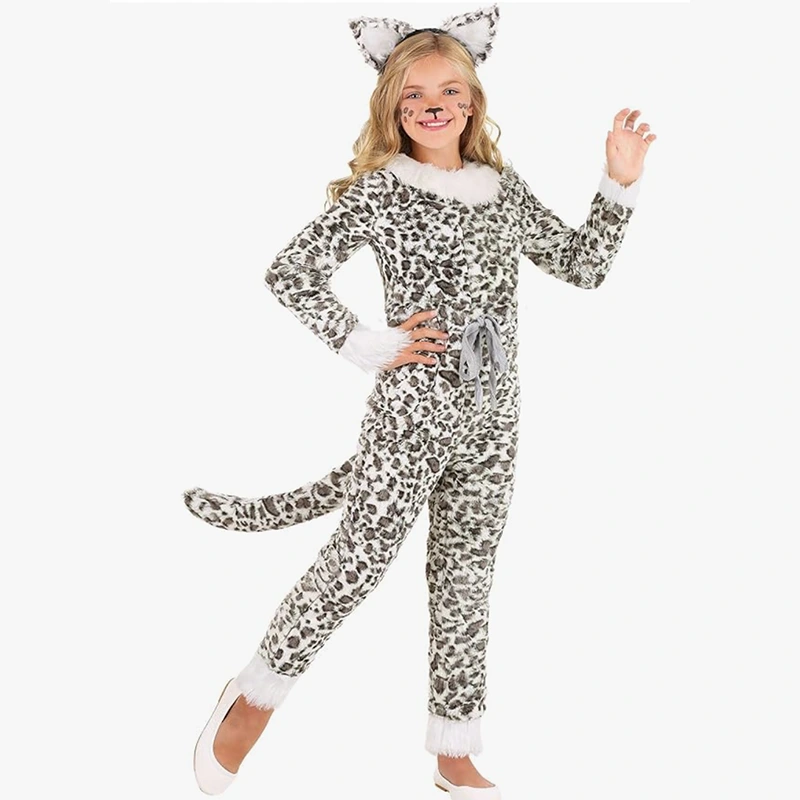
2. Key Materials and Their Impact on Comfort
The materials used in an Animal Costume directly influence its comfort, durability, and visual appeal. Most commercial costumes rely on synthetic fabrics due to their affordability, versatility, and ease of maintenance. Polyester, for instance, is a common choice because it is lightweight, resists wrinkles, and holds color well. Many manufacturers now use recycled polyester, which offers similar performance with a reduced environmental footprint.
For a softer, more tactile experience, fleece and plush fabrics are frequently employed. Fleece provides warmth and a gentle hand‑feel, making it ideal for cold‑weather events or indoor gatherings where comfort is paramount. Plush fabrics, often used for mascot‑style costumes, create a fluffy, huggable appearance that is especially popular for characters like bears, pandas, and bunnies.
Faux fur is another staple in the animal costume industry, particularly for designs that aim for a realistic or semi‑realistic look. High‑quality faux fur can mimic the texture and sheen of natural animal coats while remaining cruelty‑free and easier to clean. For structural elements like horns, snouts, or claws, manufacturers often turn to EVA foam or polyurethane materials, which are lightweight yet sturdy enough to hold intricate shapes.
Breathability is another critical factor. Costumes worn for extended periods—such as at conventions or parades—should incorporate mesh panels or moisture‑wicking linings to prevent overheating. When evaluating an animal costume, always check the fabric composition and construction details to ensure it matches the expected duration and intensity of use.
| Material | Key Properties | Best Used For |
|---|---|---|
| Polyester | Lightweight, colorfast, easy to clean | Onesies, basic suits, children's costumes |
| Fleece / Plush | Soft, warm, cozy texture | Cold‑weather events, cuddly characters |
| Faux Fur | Realistic appearance, cruelty‑free | Mascots, realistic animal portrayals |
| EVA Foam | Lightweight, shape‑retentive | Headpieces, horns, beaks, claws |
3. Finding the Right Fit for Every Body Type
A well‑fitting animal costume is the difference between a magical experience and a frustrating one. Sizing varies significantly across brands and styles, so relying solely on standard clothing sizes can be misleading. Most reputable manufacturers provide detailed size charts that include chest circumference, waist, inseam, and height measurements. Taking accurate body measurements before purchasing is a non‑negotiable step.
For full‑body suits, pay close attention to the length and ease of movement. A suit that is too short will restrict mobility, while one that is excessively long may cause tripping hazards. Many modern designs incorporate stretch panels or adjustable closures to accommodate a range of body shapes. Additionally, consider the weight of the costume—heavier materials can become fatiguing over time, especially if you plan to wear the outfit for several hours.
Unisex sizing is common in the animal costume market, but some styles are specifically tailored for men, women, or children. When shopping for a group or family, look for collections that offer coordinated designs across multiple size ranges. This ensures that everyone can participate without compromising on comfort or aesthetics.
For those who require a more customized fit, some manufacturers offer made‑to‑order services. These options allow you to specify exact measurements, choose fabric combinations, and even request modifications to the standard design. While this route may take longer, the result is a costume that feels like a second skin—enhancing both appearance and confidence.
4. Occasion‑Driven Selection: Matching Costume to Event
The context in which you wear an Animal Costume should heavily influence your choice. Different occasions call for different levels of detail, durability, and practicality. Below is a breakdown of common scenarios and the costume characteristics that suit them best.
4.1 Themed Parties and Social Gatherings
For birthday parties, costume parties, or casual get‑togethers, comfort and visual appeal are paramount. Onesies and kigurumi are perennial favorites because they are easy to put on, allow free movement, and come in a wide array of animal designs—from pandas and foxes to sloths and dinosaurs. These costumes are often made from soft fleece or plush materials, making them ideal for indoor settings where temperature control is not a concern.
4.2 Parades, Festivals, and Outdoor Events
Outdoor events demand costumes that are durable, weather‑resistant, and visible from a distance. Mascot‑style suits, which often feature oversized heads and bold colors, excel in these environments. They are constructed from robust materials that can withstand prolonged wear, and their larger‑than‑life proportions ensure that the character remains recognizable even in crowded spaces. Look for costumes with reinforced seams and easy‑to‑clean surfaces if you anticipate exposure to dirt or light rain.
4.3 Stage Performances and Theatrical Productions
In theatrical settings, the animal costume must serve both aesthetic and functional purposes. Actors need costumes that are expressive under stage lighting, quick‑change friendly, and non‑restrictive for choreography. Semi‑realistic or stylized designs often work best, as they balance visual impact with practical wearability. Additionally, costumes with detachable elements—such as wings, tails, or headpieces—offer versatility for multi‑character productions.
4.4 Cosplay and Fan Conventions
Cosplay enthusiasts often seek highly detailed and screen‑accurate animal costumes. This category overlaps significantly with the furry fandom, where custom‑made fursuits are the gold standard. These costumes are typically crafted from premium faux fur and feature meticulously sculpted heads with articulated jaws, expressive eyes, and ventilated interiors for comfort during long convention days. While these are investment pieces, they offer an unparalleled level of craftsmanship and personalization.
- Casual parties: Onesies, kigurumi, soft fleece suits
- Outdoor festivals: Mascot suits, durable synthetics, bold colors
- Theatre: Semi‑realistic, quick‑change friendly, expressive details
- Cosplay conventions: Custom fursuits, high‑detail faux fur, articulated heads
5. Care and Maintenance for Long‑Lasting Wear
Proper care extends the life of any Animal Costume and preserves its appearance for repeated use. The first rule is to always follow the manufacturer's care instructions, as materials vary widely in their tolerance to water, heat, and detergents.
For most synthetic costumes, spot cleaning with a mild detergent and a damp cloth is sufficient for minor stains. Avoid submerging the entire costume unless the label explicitly states that it is machine‑washable. Even then, use a gentle cycle with cold water and air‑dry the costume away from direct sunlight to prevent fading or shrinkage.
Faux fur requires special attention. Brushing the fur gently with a wide‑toothed comb after each use helps prevent matting and keeps the texture fluffy. For deeper cleaning, some manufacturers recommend professional dry cleaning, particularly for costumes with complex constructions or delicate embellishments.
Storage is equally important. Costumes should be hung on broad, padded hangers to maintain their shape, or folded carefully in breathable garment bags. Avoid plastic bags, as they can trap moisture and lead to mildew. For headpieces and masks, use a dedicated shelf or box with ample padding to prevent crushing. With consistent care, a quality animal costume can remain a cherished part of your wardrobe for years to come.
6. Frequently Asked Questions
Full‑body onesies and kigurumi are among the most popular due to their comfort, ease of wear, and wide variety of animal designs. They are suitable for all ages and are a staple at casual parties and themed events.
Always refer to the manufacturer's size chart and take your own measurements—chest, waist, hips, and inseam—before ordering. Many brands also offer unisex sizing, but checking the specific garment's dimensions is the safest approach.
Yes, but look for costumes made from lightweight, breathable materials like cotton blends or perforated synthetics. Some designs also feature mesh panels or ventilation openings to improve airflow.
Absolutely. Many manufacturers offer children's sizes with safety features like non‑toxic materials, flame‑resistant fabrics, and secure fastenings. Always supervise young children while they are wearing costumes to prevent tripping or overheating.
Spot clean with a mild detergent and a damp cloth. For deeper cleaning, professional dry cleaning is recommended. Always brush the fur gently after each use to keep it looking fresh.
Ready to find your perfect Animal Costume? Explore a world of creative possibilities and discover designs that bring your favorite creatures to life.
Hao Wangjiao offers an exceptional collection of high‑quality animal costumes crafted with care and attention to detail.
Contact us today to bring your character to life with a costume that fits, feels, and performs beautifully.